
Published 2019-07-11
How to Cite
Abstract
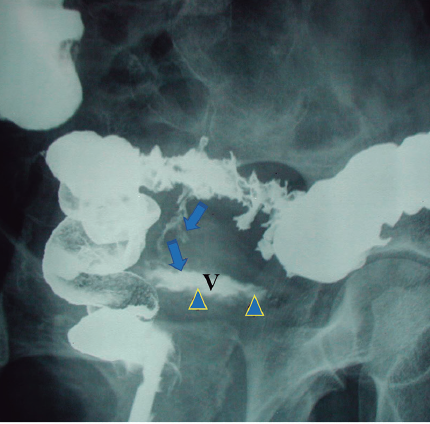
Background: Fistula formation is a well-known complication of diverticular disease (FCD). Aim: Determine the clinical presentation and surgical management of this kind of fistulas.
Materials and Method: Retrospective revision of all consecutive scheduled cases operated on in a terciary public centre in a thirty-years period.
Results: Forty-nine patients with a segmental resection of sigmoid colon were analized. Colovesical fistulas were the most common type (n = 33), followed by colovaginal (n = 6). Resection with anastomosis was performed in 48 cases and Hartmann type operation in one. Laparoscopic procedure was made in 4 cases without conversion. Complication rate was 20% and two patients were reoperated on, without mortality in this series. Follow up showed no case of recurrence.
Conclusions: FDC represent 26% of cases operated on in our series. Colovesical fistula is the most common type, followed by colovaginal fistula in histerectomized women. Resection and primary anastomosis should be the treatment of choice in average risk patients with acceptable morbidity and good long-term results. Laparoscopic approach is safe, specifically in patients with colovesical fistulas.